
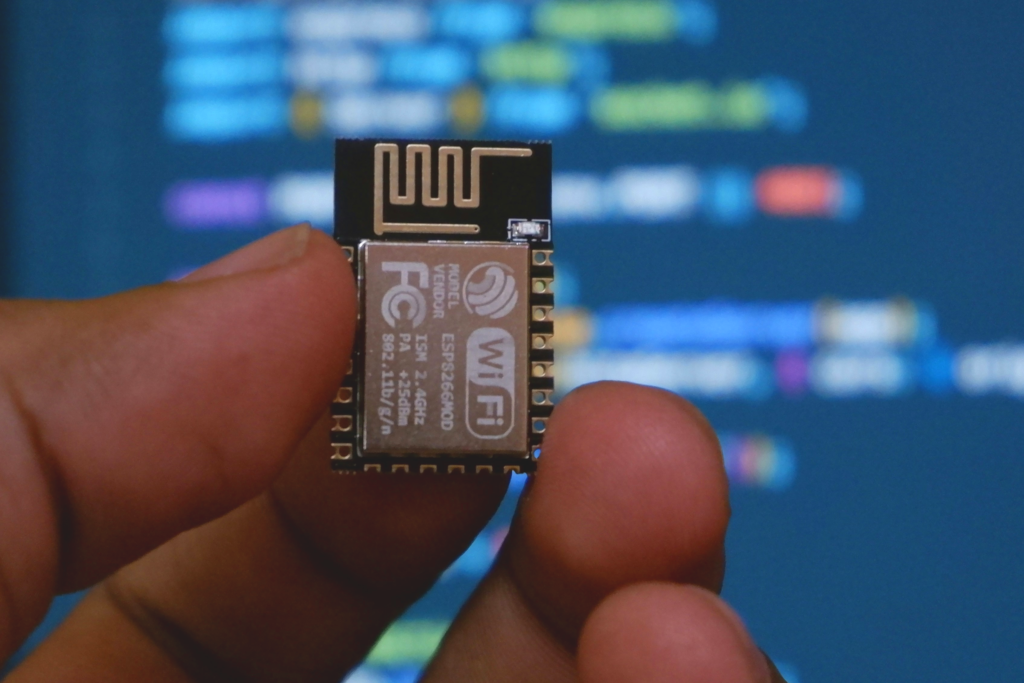
In smartphones, tablets, wearables, and IoT devices, available space is becoming increasingly limited. At the same time, demands for bandwidth, frequency coverage, and wireless performance continue to grow. This creates a need for antennas that are as compact as possible while maintaining high radiation efficiency.
But how small can an antenna get without significantly compromising its performance?
Physics Sets the Limits – but Recent Research Opens Up New Possibilities.
For decades, the well-known Chu-Harrington limit has described the fundamental relationship between antenna size and bandwidth. However, research published between 2024 and 2026 reveals that these classical limits require a more nuanced interpretation. Under certain conditions, advanced antenna concepts and innovative matching techniques offer new opportunities to optimize the trade-offs between antenna size, bandwidth, and radiation efficiency.
How Much Untapped Potential Is Still Hidden in Your Antenna Design?
One thing is clear: Good impedance matching doesn’t necessarily mean an antenna radiates efficiently.
How close is your antenna design to its fundamental physical limits? Have you already achieved the maximum usable bandwidth? Or could you get even more performance from the same antenna size?
A comprehensive analysis of the Q factor, bandwidth, and radiation efficiency provides valuable insights. It helps assess your current antenna design and identify realistic opportunities for improvement based on the latest theoretical findings.
Because what really matters isn’t just how small an antenna can be – it’s how much performance you can achieve within the available space.
If you have any questions or would like to learn more about optimizing your radio designs, feel free to contact us.
Your WaveLab Team
Please contac us if you are interested or have any questions: +41 31 868 44 66.
